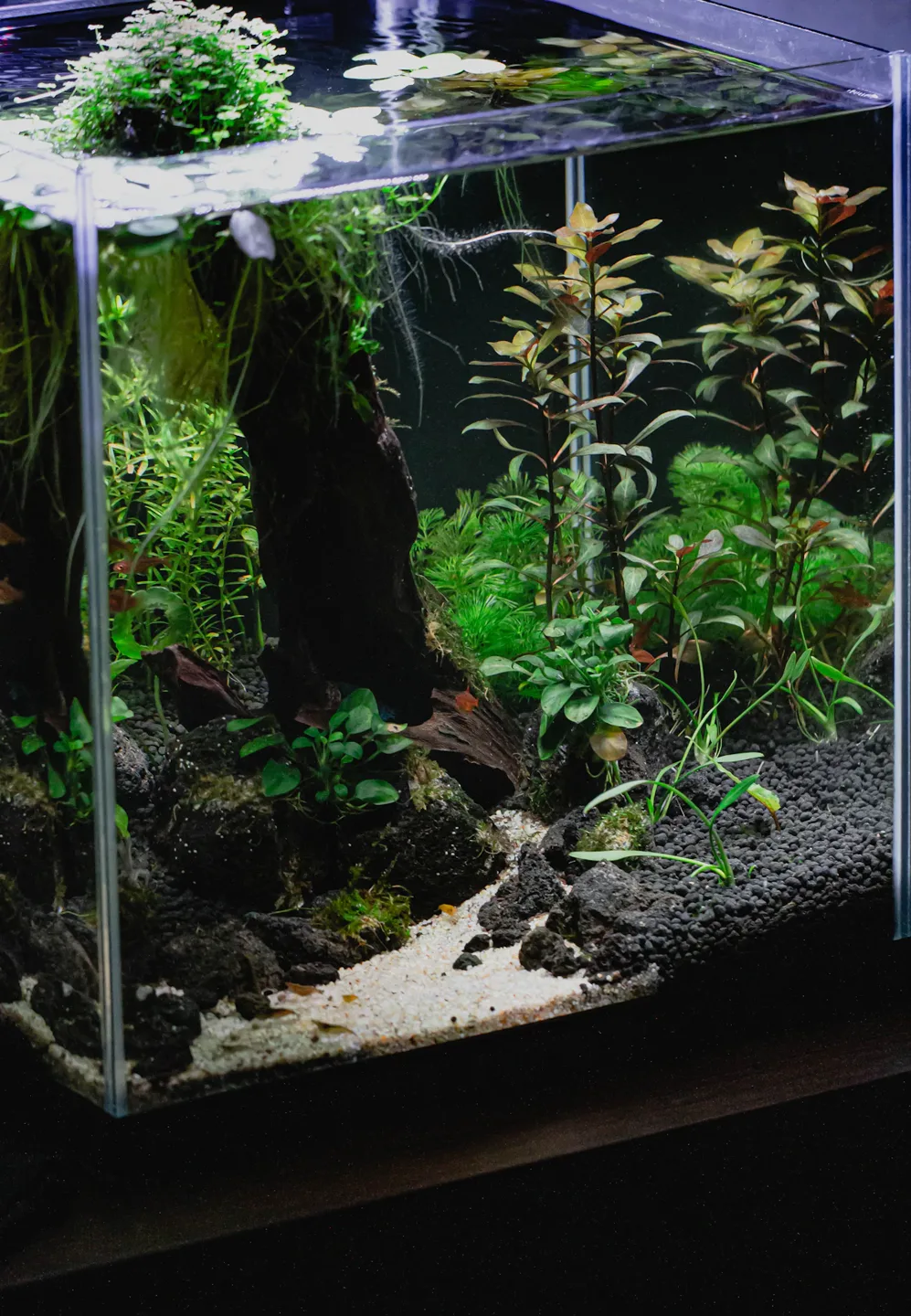
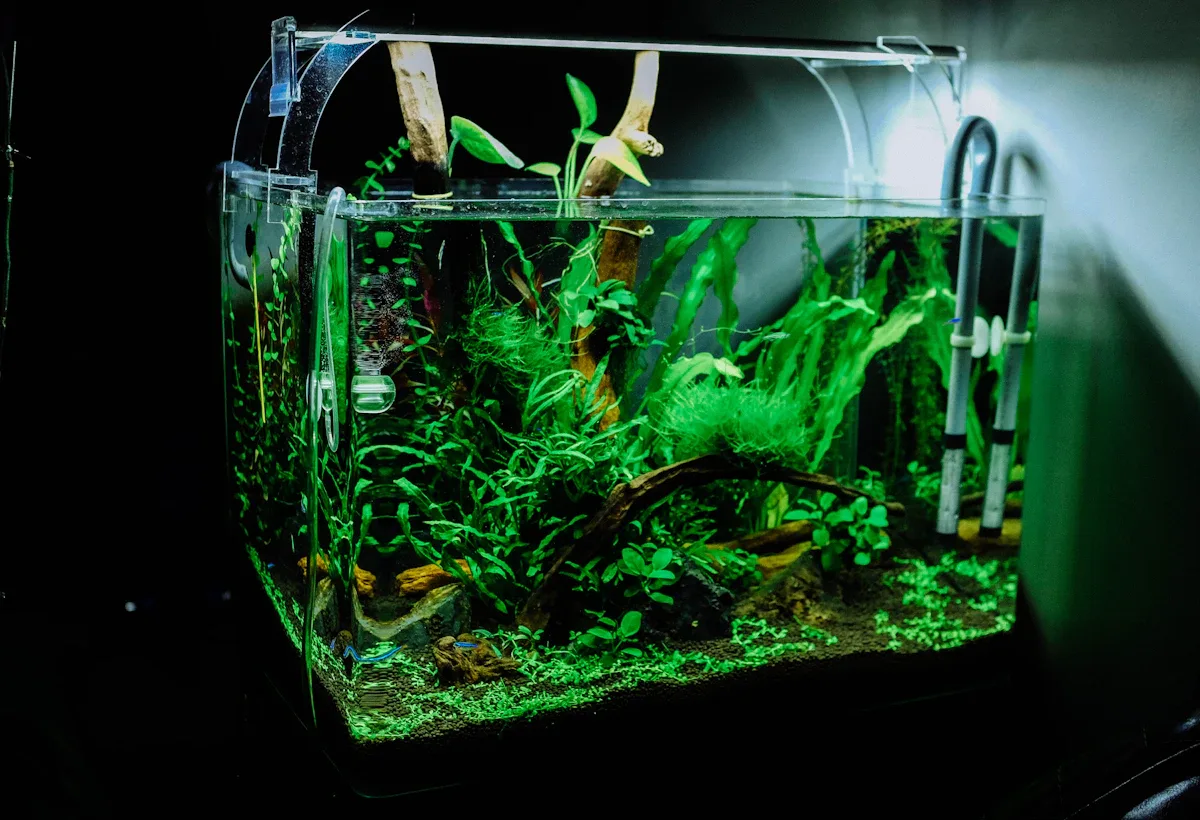
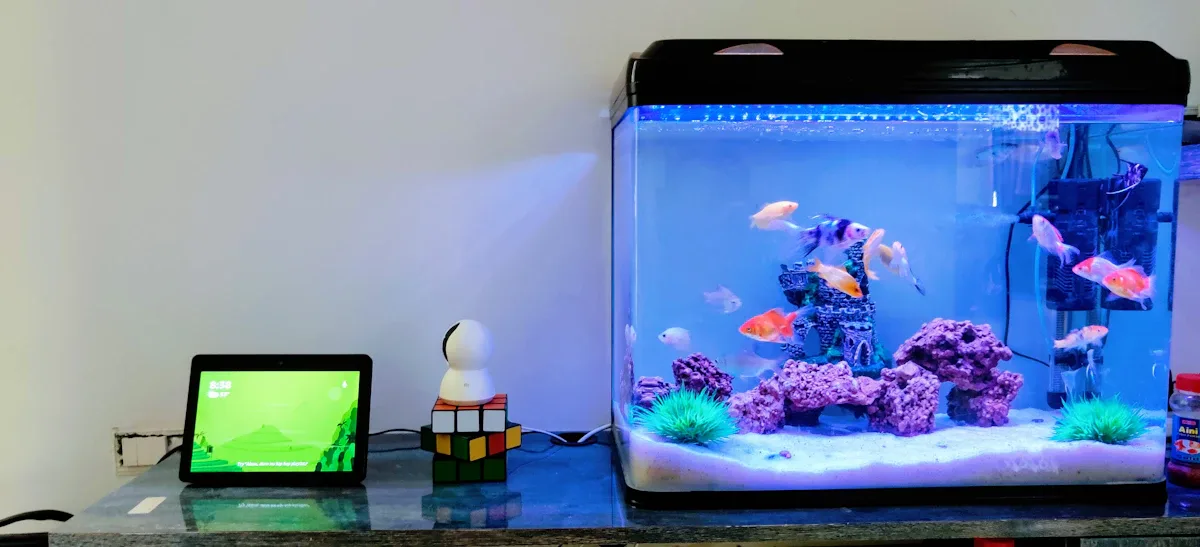
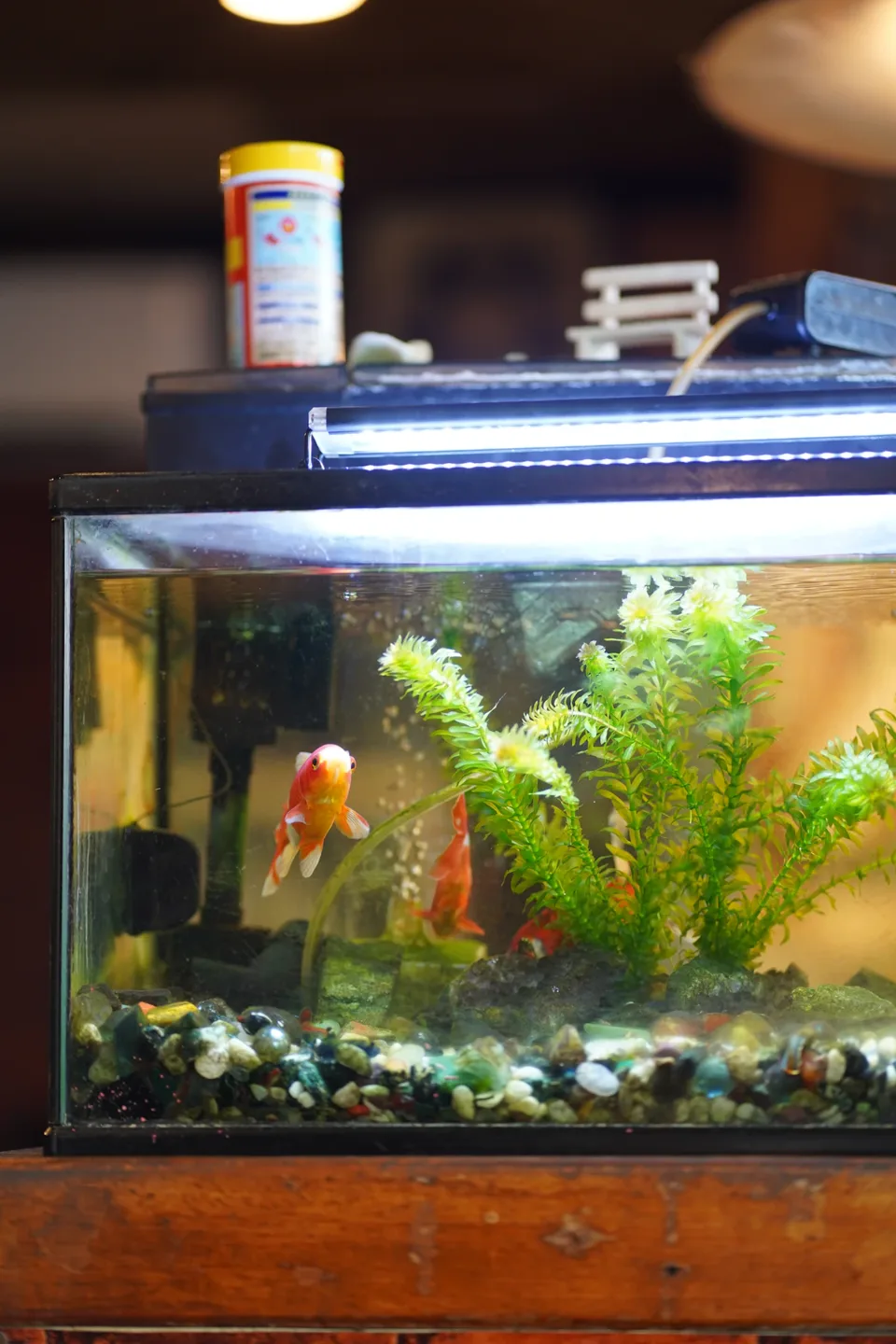
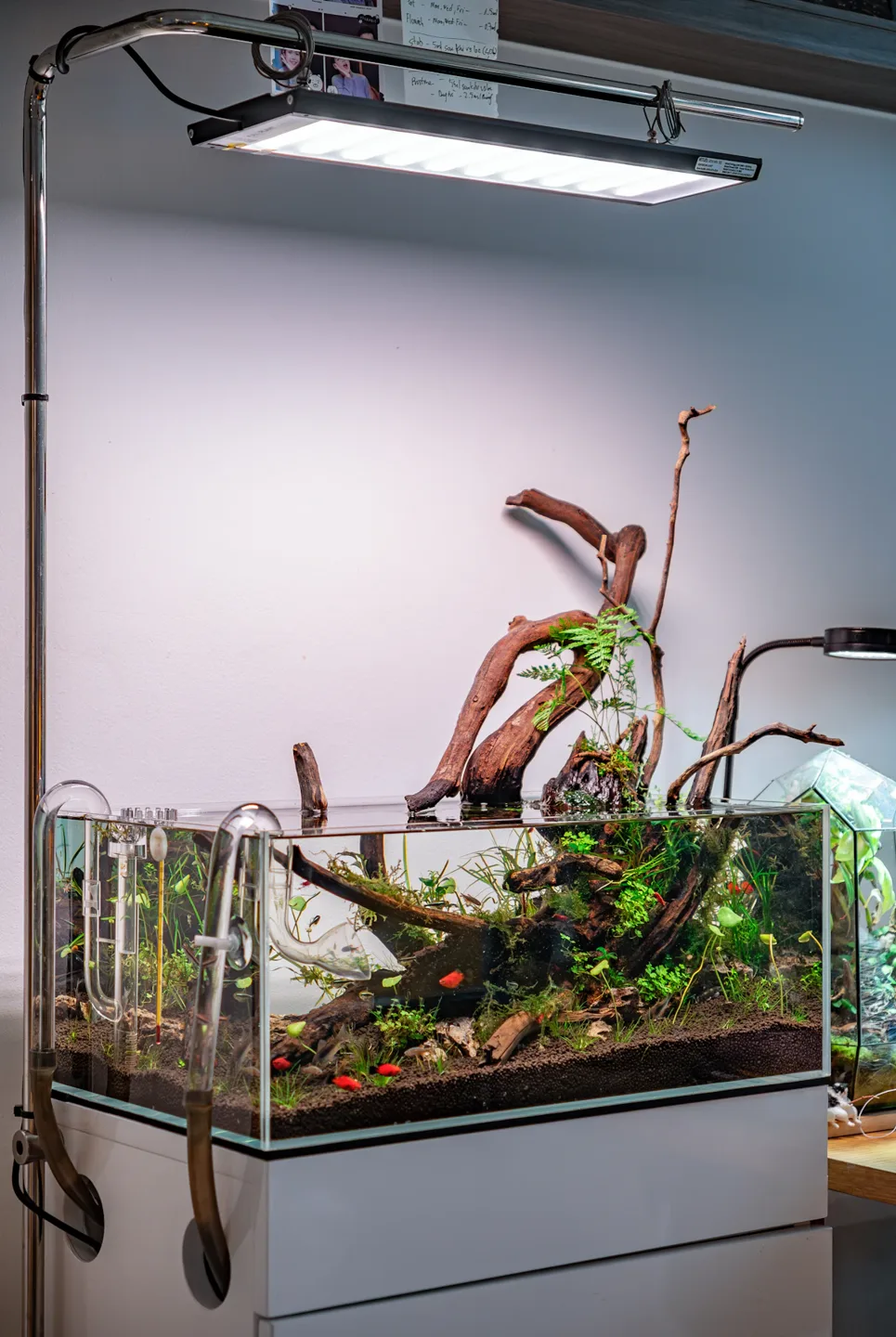
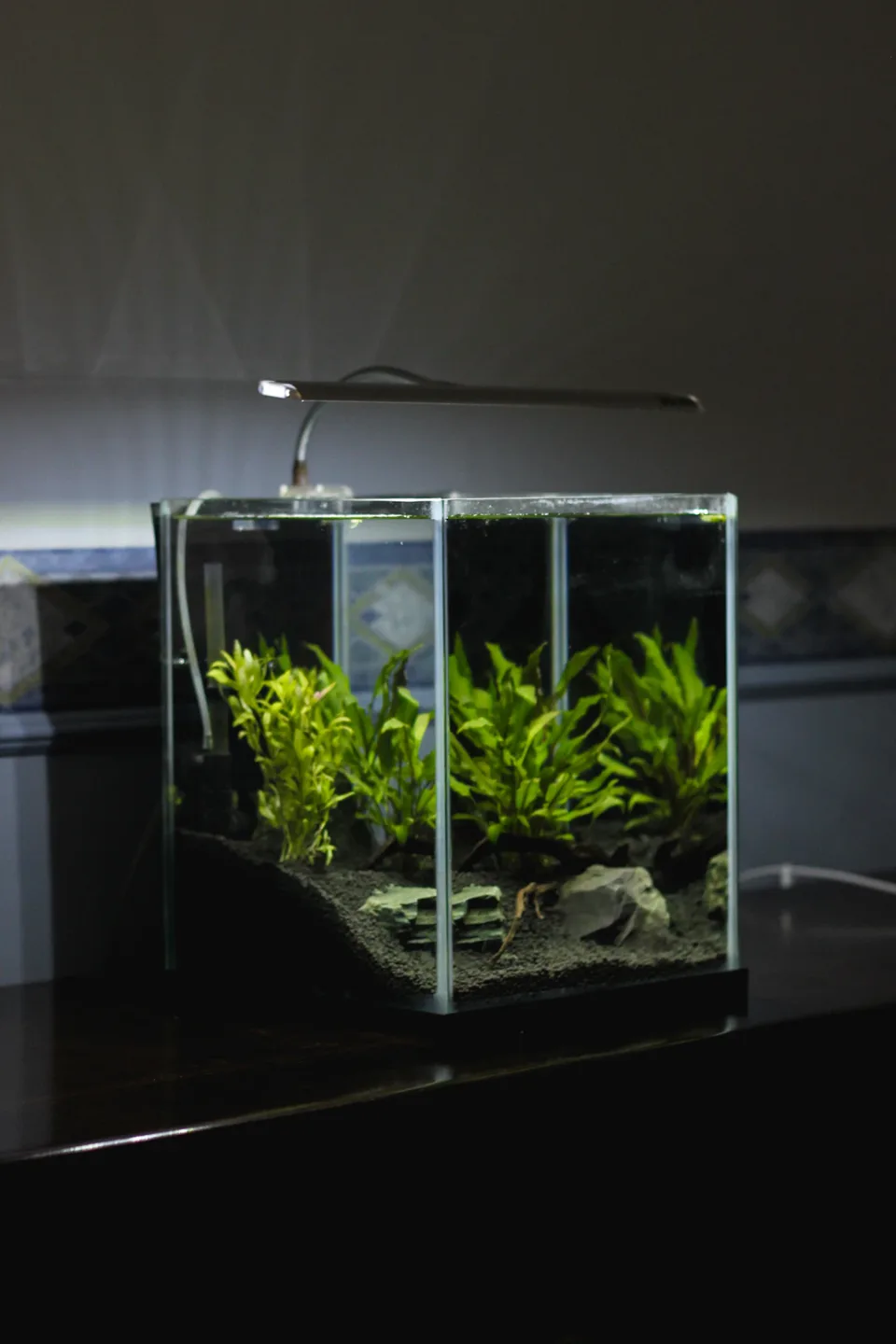
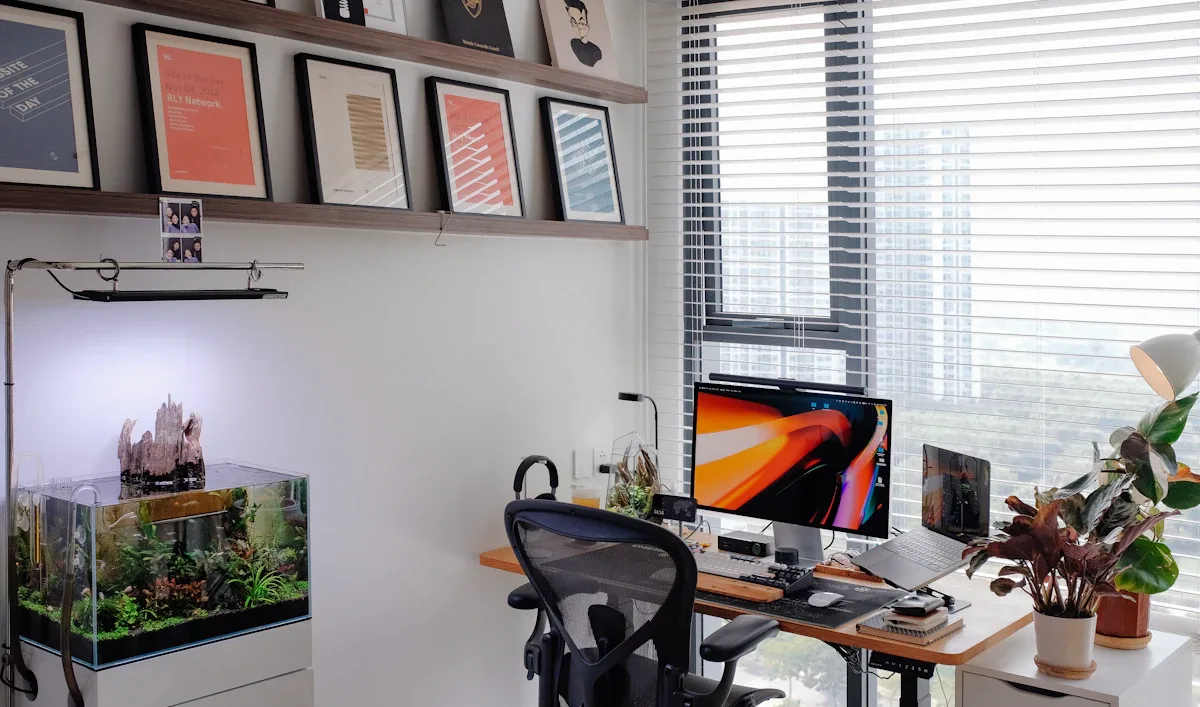
Start with the tank, support, filter, heater when the species needs one, light, water conditioner, test method, and maintenance tools. A staged list leaves room to learn before adding décor.
The quietest filter is not automatically the best choice. Compare access, replacement media, flow adjustment, and the space behind the tank before you order.
Testing is useful when it fits your routine. Compare strips, liquid kits, and digital meters by setup time, storage, repeatability, and the parameters you actually need.
A light choice affects viewing, plant goals, algae management, and the schedule in your living room. Compare timers and brightness control before chasing color.
A heater belongs where water moves around it and where its setting is easy to check. Compare adjustable, preset, and external options with a separate thermometer.
A stand must support the filled aquarium on a level surface, leave room for cords and maintenance, and fit the walkway. Measure the footprint, not only the advertised gallon size.
A feeding routine is easier when food stays dry, portions are visible, and tools are washable. Compare a scoop, floating ring, and automatic feeder around your schedule.
Long tweezers, scissors, a scraper, and a stable work surface turn a fiddly planting job into a repeatable one. Choose tools that suit your tank depth and hand size.
A lid should fit the rim, accommodate equipment cords, and leave access for feeding. Compare glass, hinged plastic, and fitted canopies around your maintenance habits.
A dedicated bucket, algae pad, net, thermometer, and towel remove the friction that makes routine care easy to postpone. Store everything together and label it.
Short trips need a written routine, tested equipment, and a person who knows what to do if a pump stops. Compare measured portions, a feeder, and a trusted sitter.